Under the bonnet
We name the models.You don't have to pick one.
Most tools make choosing a model your job, then charge differently for each. Backlot picks the right one for the look you chose and prices everything in the same credit, but you should still know what's running.

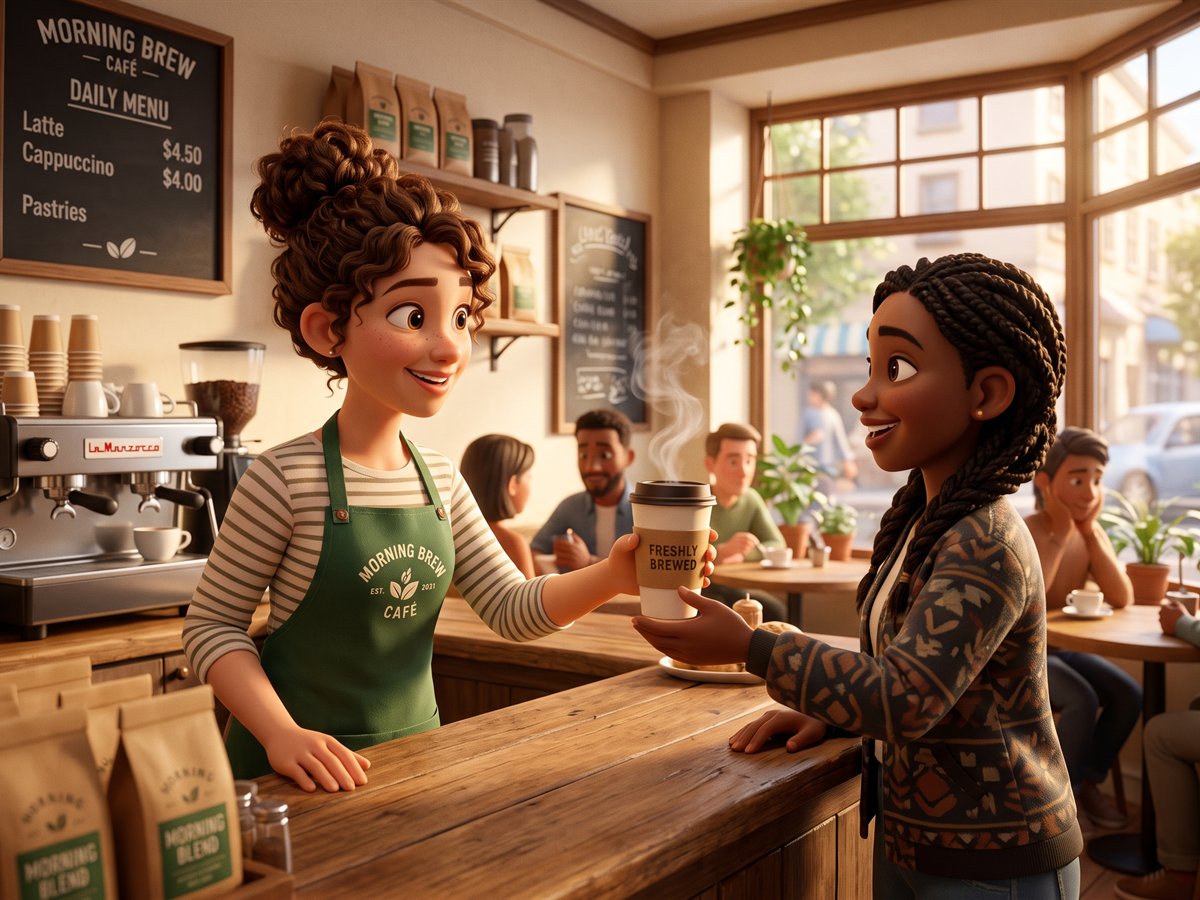
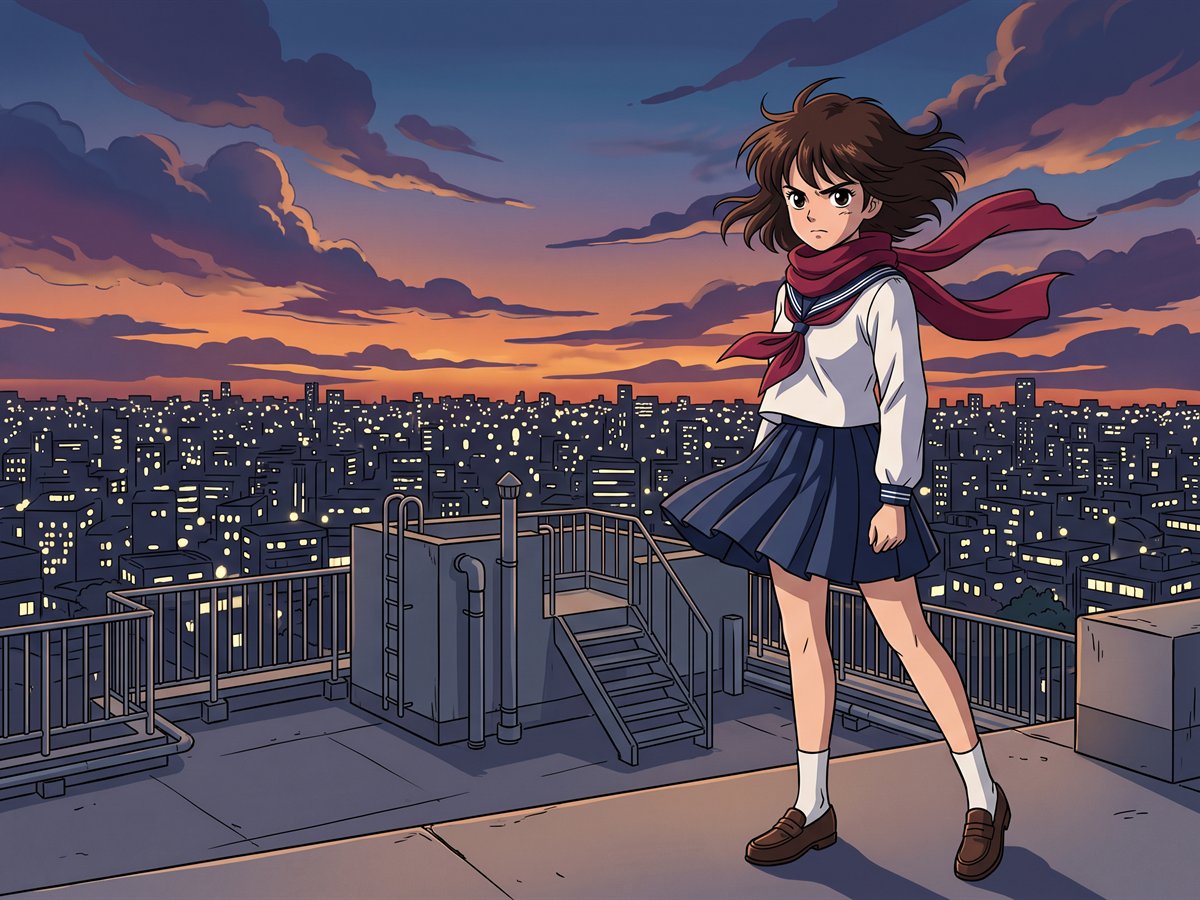

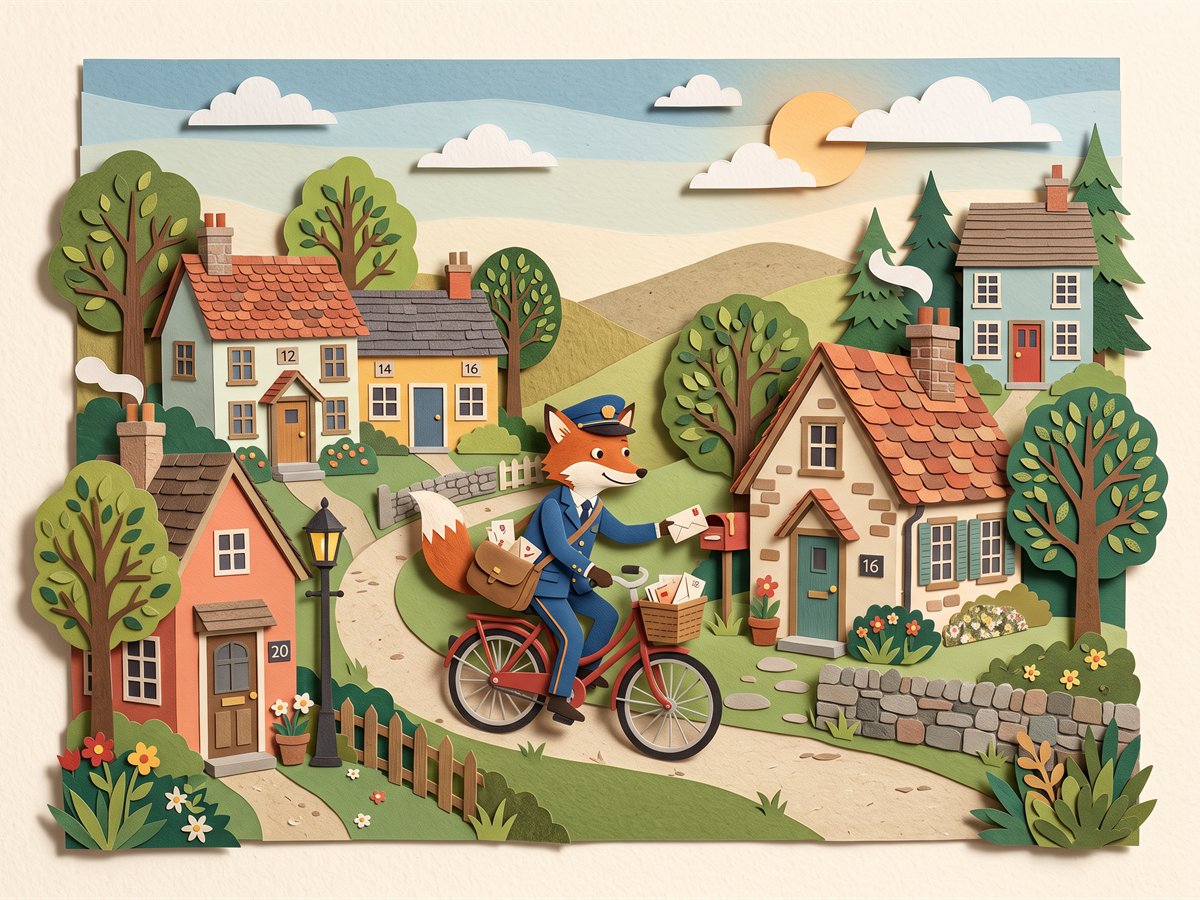
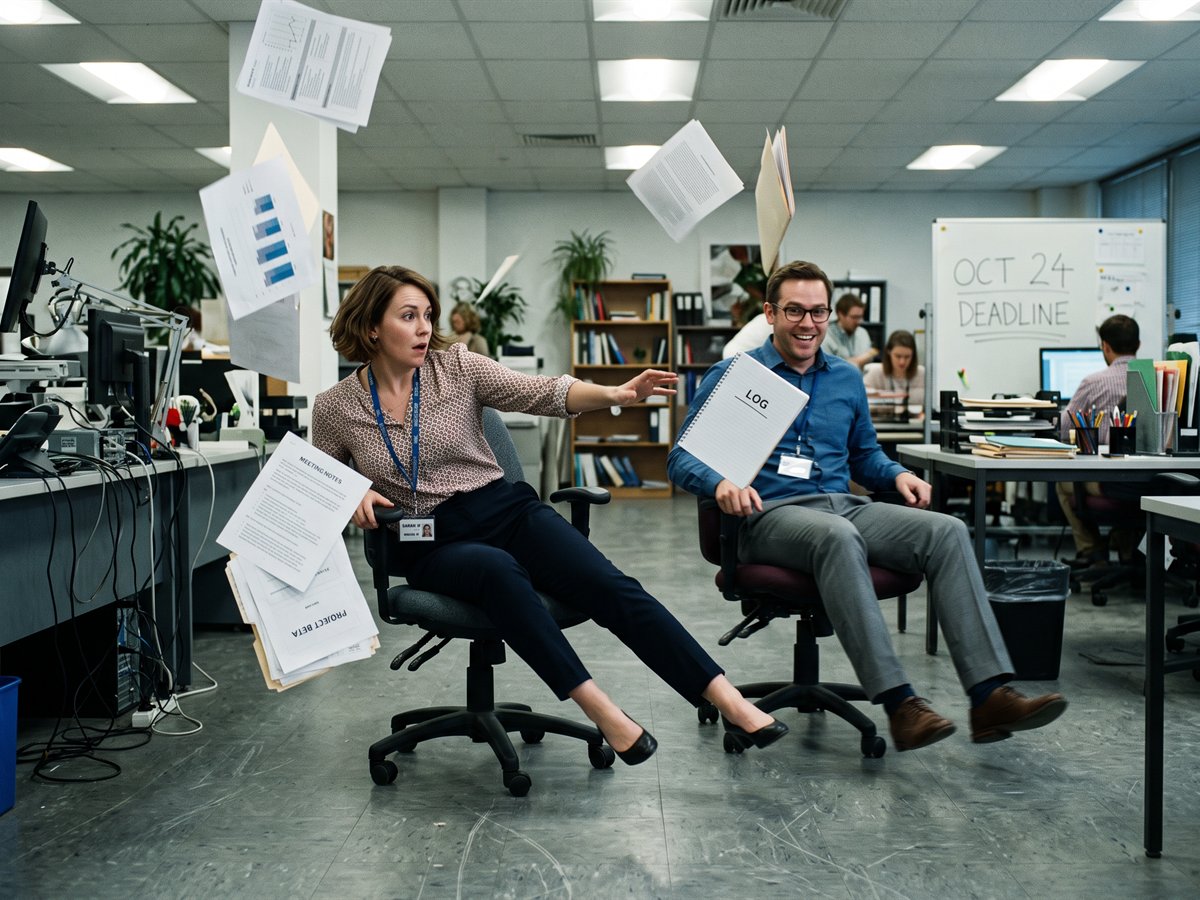
Video, by look
A look isn't a filter: it decides the model, its parameters, the pacing and the negative prompt. Draft and Final are the same direction at different resolutions, so a draft actually previews the finish.
| Look | Final | Draft | Clip lengths |
|---|---|---|---|
Ultra-realistic Live-action, photoreal humans | Kling 3.0 Pro | Kling 3.0 Standard | 3-15s |
3D animated Feature-film CG | Kling 3.0 Pro | Kling 3.0 Standard | 3-15s |
Anime Japanese 2D cel animation | PixVerse v5 | PixVerse v5 | 5s or 8s |
2D vector Flat explainer / motion graphics | PixVerse v5 | PixVerse v5 | 5s or 8s |
Cut-out Paper puppet animation | Kling 3.0 Pro | Kling 3.0 Standard | 3-15s |
Pixilation Stop-motion with real people | Kling 3.0 Pro | Kling 3.0 Standard | 3-15s |
Cut-out and pixilation are shot on the photoreal route and then held a frame at a time in post, which is how those techniques are actually made.
Everything else
The rest of the studio, job by job.
Nano Banana 2
Picked over better-known image models for one reason: it spells. A headline you put in quotes comes out of it as written, at poster size, which most image models still cannot manage.
Nano Banana 2
The six-angle sheet and the expressions are generated once, from the same model that renders stills, so a character looks the same in an image as in a frame.
ElevenLabs Eleven v4
Cloning from a recording, designing from a description, and every line of dialogue or downloadable voiceover. One speech model reads all of it, and it is replaced when a better one has been heard against real voices: there is no older version to pick by mistake. Stability and similarity are yours to set per voice.
Mirelo SFX 1.5
A video-to-sound model: it watches the take and generates effects in sync with what happens in it, steered by the shot's sound line. Chosen because it follows the picture rather than a script, so a footstep lands on the frame the foot does.
ElevenLabs Music
Composes the house library and any track you ask for, instrumental, for commercial use online and offline (film, TV and radio broadcast aside). Trained on licensed music, which is much of why it was picked: the rights question has an answer.
OmniHuman
A talking shot is generated from the recorded line, not painted over afterwards, so mouth shapes, timing and gesture come from the audio itself.
Claude Sonnet
Turns the brief into a numbered shot list with camera notes, dialogue and continuity, reads your PDFs and decks when a production starts from a document, and answers the notes you write to a production.
Claude Opus
The premium one, because this is the feature that decides whether your frames hold together. It is given the look's own render vocabulary and your locked cast, and forbidden from repeating either.
Why not let me choose?
Because the model is the least interesting decision in the room, and getting it wrong is expensive. A look carries a model, its parameters, a prompt prefix, a negative prompt and a directing note that have been tuned together. Swap the model out from under that and the tuning is meaningless.
The choice we do put in front of you is the one that matters: Draft or Final. Same cast, same camera direction, same look, different resolution and different price. You explore in Draft and finish the shots that made the cut.
Models move fast, and when a better one appears for a look we move it and say so. Your characters, voices and productions don't change; that's the point of building on a locked cast rather than on a model. Pricing stays the same too, because it is priced in credits, not in model names.
Judge it on the frames.
Build one character and shoot a ten-second test. That tells you more about any of this than a table of model names.